
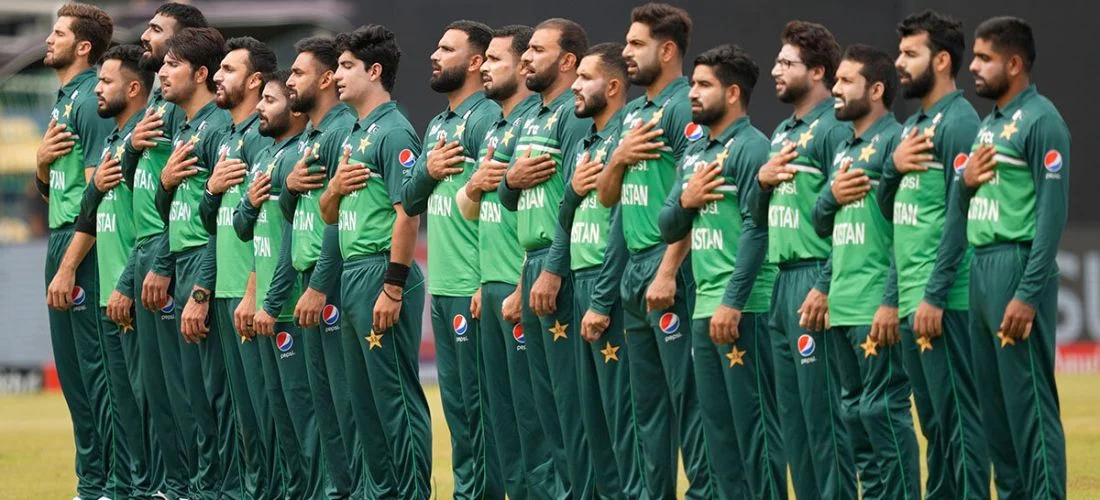
Fair Play in the T20 World Cup: Upholding Integrity, Excitement, and Global Unity
Introduction
The ICC Men’s T20 World Cup has rapidly become the pinnacle of short‑form cricket, drawing millions of viewers and showcasing the sport’s most explosive talent. While the tournament’s high‑octane matches provide unforgettable entertainment, the underlying commitment to fair play distinguishes it from a simple spectacle. From stringent anti‑doping policies to the use of cutting‑edge video‑review technology, the T20 World Cup serves as a global laboratory for how cricket can balance competition with integrity. This article examines the multifaceted role of fair play in the T20 World Cup, its impact on players, officials, fans, and even the evolving world of sports betting.
The Evolution of Fair Play in T20 Cricket
When the first T20 World Cup was staged in 2007, the concept of “fair play” was still rooted primarily in the spirit of the game—a gentleman’s agreement among cricketers to respect opponents and uphold the Laws of Cricket. Over the last two decades, the definition has expanded dramatically. The International Cricket Council (ICC) now enforces a comprehensive Code of Conduct, encompassing everything from player behavior on‑field to rigorous anti‑corruption measures off the field.
These reforms were accelerated after several high‑profile scandals involving match‑fixing and doping. In response, the ICC introduced a dedicated Fair Play Unit that monitors compliance, conducts investigations, and educates stakeholders on ethical standards. The result is a transparent framework that not only protects the sport’s reputation but also reinforces the tournament’s credibility among sponsors and broadcasters.
Technology as a Guardian of Fair Play
One of the most visible manifestations of fair‑play enforcement is the use of technology. The Decision Review System (DRS), Ultra‑Edge, and real‑time ball‑tracking have become indispensable tools for umpires and players alike. By reducing human error, these systems ensure that dismissals, boundaries, and no‑balls are adjudicated accurately, thereby preserving the integrity of each contest.
Beyond on‑field decisions, data analytics are employed to detect irregular betting patterns that could signal corrupt activity. Professional betting platforms collaborate with the ICC to flag anomalies, allowing investigators to intervene before any damage is done. This partnership between technology, regulators, and betting operators exemplifies a proactive approach to safeguarding the sport.
Fair Play and Player Conduct
Player behavior is the most immediate expression of fair play. The ICC’s Code of Conduct outlines clear penalties for offenses such as dissent, verbal abuse, or deliberate time‑wasting. In the high‑pressure environment of a World Cup knockout match, emotions can run high, yet the expectation remains: respect for opponents, officials, and the audience.
Leadership on the field is also crucial. Captains and senior players set the tone for their squads. When a captain walks off the field in protest of a decision, it can undermine the collective effort to maintain a fair contest. Conversely, a captain who publicly applauds a correct umpire call, even if disadvantageous, sends a powerful message that integrity outweighs immediate advantage.
Impact on Fans and the Global Audience
The modern fan is more informed and connected than ever before. Social media enables instantaneous commentary, but it also amplifies incidents of perceived unfairness. A single contentious decision can fuel widespread debate, influencing public perception of the tournament’s fairness.
To address this, the ICC has launched fan‑engagement initiatives that educate viewers about the rules, the role of technology, and the importance of sportsmanship. By demystifying the decision‑making process and highlighting the steps taken to ensure equitable competition, these programs foster a deeper appreciation for the integrity measures that underpin the sport.
Fair Play in the Context of Sports Betting
Betting has become an integral part of the cricket ecosystem, offering fans an additional avenue to engage with the game. However, it also introduces risks that can compromise fair play if not properly regulated. Responsible betting platforms implement rigorous verification processes, maintain transparent odds, and cooperate with anti‑corruption bodies to detect suspicious activity.
For individuals interested in a secure betting experience, establishing a fairplay betting id is the first step toward a trustworthy environment. Once registered, bettors can confidently place wagers, knowing that the platform adheres to strict compliance standards and collaborates with cricket’s governing bodies to protect the sport’s integrity.
Existing users can easily access their accounts through the fairplay betting login portal, where they can monitor betting history, set responsible‑gaming limits, and stay informed about any alerts related to match integrity. New enthusiasts are encouraged to start their journey via the fairplay betting signup page, which guides them through a secure registration process, ensuring that all participants meet the required verification criteria before engaging in any wagering activity.
Community Initiatives and Grassroots Development
Promoting fair play extends beyond the elite level of the World Cup. The ICC invests in grassroots programs that teach young cricketers the values of honesty, respect, and teamwork. School tournaments, coaching clinics, and mentorship schemes embed these principles early, creating a pipeline of players who internalize fair play as a core tenet of their cricketing identity.
These initiatives also address gender equity, encouraging participation from women and under‑represented communities. By fostering inclusive environments where fairness is the norm, the sport builds a broader, more diverse fan base and strengthens its global appeal.
Economic Benefits of a Fair Play Framework
Integrity is not just a moral imperative; it is also an economic driver. Sponsors seek partnerships with tournaments that uphold strong ethical standards, knowing that association with a scandal‑free event protects their brand. Likewise, broadcasters are more willing to invest in rights fees when they are confident that the competition will attract consistent viewership without the cloud of controversy.
When fair play is rigorously enforced, the T20 World Cup enjoys a virtuous cycle: high‑quality cricket draws larger audiences, which in turn attracts premium sponsorship and advertising revenue. This financial stability enables the ICC to reinvest in development programs, technology upgrades, and further integrity measures.
Challenges and Future Directions
Despite significant progress, challenges remain. The speed and unpredictability of T20 cricket can obscure subtle forms of misconduct, such as ball‑tampering or micro‑level collusion between players and illegal betting syndicates. Continuous training for officials, combined with evolving analytical tools, is essential to stay ahead of sophisticated threats.
Looking forward, the ICC plans to integrate artificial intelligence into its monitoring systems, enhancing real‑time detection of anomalies in both gameplay and betting markets. Additionally, expanding the role of player‑led ethics committees could empower athletes to self‑regulate and promote a culture of accountability from within.
Conclusion
The T20 World Cup stands as a testament to cricket’s ability to blend thrills with responsibility. By championing fair play through robust regulations, innovative technology, player education, and collaborative betting oversight, the tournament safeguards its integrity while delivering unmatched excitement. As fans, players, officials, and betting operators converge on this global stage, the shared commitment to fairness ensures that every six, wicket, and victory is celebrated on a level playing field. The continued dedication to these principles will not only preserve the spirit of cricket but also inspire future generations to uphold the same standards of honesty, respect, and passion for the game.