FairPlay Android App: A Comprehensive Review of Features, Security, and User Experience
The mobile gaming landscape has become increasingly competitive, with developers striving to balance monetization, engagement, and ethical play. Among the emerging solutions, the FairPlay Android app stands out as a platform designed to promote transparency, fairness, and community-driven governance. This article provides a professional, detailed examination of the app’s architecture, user experience, security protocols, and growth strategy. Whether you are a gamer, a developer, or an investor, understanding the nuances of FairPlay will help you assess its potential impact on the broader mobile ecosystem.
Overview of the FairPlay Android App
FairPlay is positioned as a next‑generation gaming hub that integrates real‑time matchmaking, anti‑cheat mechanisms, and a rewards system powered by blockchain technology. The app is available exclusively on Android devices, leveraging the operating system’s extensive reach while maintaining a lightweight footprint. By combining a sleek UI with robust backend services, FairPlay aims to create a seamless environment where players can focus on skillful competition rather than concerns over fraud or uneven playing fields.
Core Functionalities
At its heart, FairPlay offers three primary functional pillars:
- Dynamic Matchmaking: An AI‑driven algorithm evaluates player skill, latency, and preferences to pair participants in real time, reducing wait times and ensuring balanced contests.
- Secure Anti‑Cheat Engine: The app monitors device integrity, network traffic, and in‑game behavior to detect and neutralize cheating tools. Suspicious activity triggers an automated review process, preserving fairness without disrupting legitimate gameplay.
- Reward Token System: Players earn native tokens for achievements, tournament victories, and community contributions. These tokens can be redeemed for in‑app purchases, premium skins, or even exchanged on partner marketplaces.
User Interface and Experience
The UI follows material design principles, providing intuitive navigation, high‑contrast visuals, and adaptive layouts for various screen sizes. Upon launch, users encounter a concise dashboard summarizing recent matches, token balances, and upcoming events. The menu hierarchy is shallow, reducing the number of taps required to access core features. Moreover, the app supports multiple languages, enhancing accessibility for a global audience.
To enhance engagement, FairPlay incorporates a “Live Spectate” mode that lets users watch ongoing matches with real‑time commentary. This feature not only builds a community around high‑skill play but also offers a learning platform for newcomers seeking to improve their tactics.
Security Architecture
Security is a non‑negotiable component of any fair‑play platform. FairPlay employs a layered defense model:
- Device Attestation: During installation, the app verifies the device’s integrity using Google Play Integrity API, preventing rooted or tampered devices from accessing the service.
- Encrypted Communication: All data exchanges between client and server are protected with TLS 1.3 encryption, safeguarding user credentials and token transactions.
- Behavioural Analytics: Machine‑learning models continuously analyze gameplay patterns to flag anomalies that may indicate cheating or bot usage.
- Secure Token Ledger: Token balances are recorded on an immutable ledger, ensuring transparency and preventing unauthorized alterations.
These measures collectively create a resilient environment where trust is built into the system architecture rather than being an afterthought.
Community Governance and Fairness Policies
FairPlay distinguishes itself by incorporating community‑driven governance. Token holders are granted voting rights on key policy decisions, such as rule updates, tournament prize structures, and feature prioritization. This democratic model fosters a sense of ownership and aligns the platform’s evolution with the interests of its most active users.
In addition, the app publishes a comprehensive Fair Play Code of Conduct, outlining expected behavior, consequences for violations, and an appeal process. Transparency reports are issued quarterly, detailing the number of bans, appeals, and the rationale behind major decisions.
Monetization Strategy
While the token system provides an attractive incentive structure, FairPlay also generates revenue through multiple channels:
- Premium Subscriptions: Users can subscribe to “FairPlay Pro,” unlocking ad‑free experiences, exclusive tournaments, and advanced analytics.
- In‑App Purchases: Cosmetic items, avatar customizations, and tournament entry fees are purchased using tokens or fiat currency.
- Advertising Partnerships: Non‑intrusive, context‑relevant ads are displayed to free‑tier users, with revenue shared among token holders.
This diversified approach balances profitability with a commitment to maintaining a level playing field.
Getting Started with FairPlay
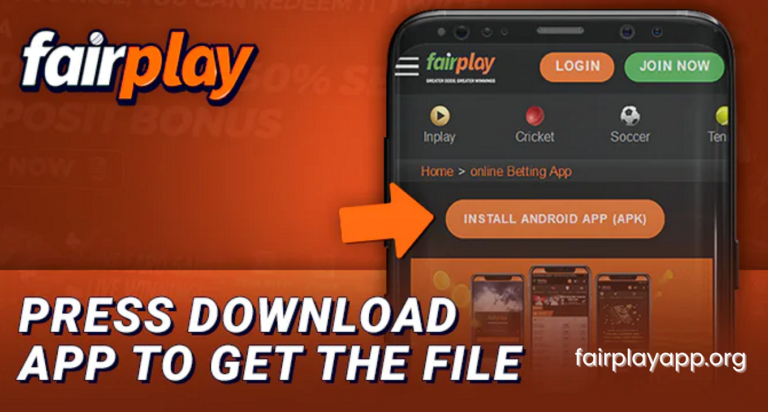
New users can quickly join the platform by creating an account on the official website. The registration process is straightforward, requiring an email address, password, and optional two‑factor authentication for added security. After verifying the account, users download the Android app from the Google Play Store, log in, and are immediately presented with a tutorial that walks them through the core features. For those who prefer to explore the platform before committing, a guest mode is available, allowing limited access to matchmaking and spectating features without a full account.
To begin your journey, visit the fairplay official homepage for the latest news and announcements. Existing members can access their personalized workspace via the fairplay official login portal. New participants eager to become part of the community should complete the onboarding steps through the fairplay official register page, where they will receive a welcome token bonus and a guide to maximize their initial experience.
Future Roadmap and Expansion Plans
The development team has outlined an ambitious roadmap that includes cross‑platform support, integration with additional blockchain networks, and the introduction of AI‑assisted coaching tools. Planned enhancements also involve expanding the token economy to support decentralized finance (DeFi) features, such as staking and yield farming, giving users more ways to leverage their earned assets.
Geographically, FairPlay aims to enter emerging markets in Southeast Asia and Africa by partnering with local telecom providers and offering data‑saver modes to accommodate users with limited bandwidth. These initiatives demonstrate a commitment to inclusivity and the desire to democratize high‑quality competitive gaming worldwide.
Conclusion
In an era where concerns over cheating, unfair matchmaking, and opaque monetization dominate the conversation around mobile games, the FairPlay Android app presents a well‑rounded solution that emphasizes security, community governance, and transparent reward mechanisms. Its combination of cutting‑edge technology, user‑centric design, and sustainable revenue models positions it as a compelling choice for players seeking an equitable gaming environment.
By adhering to rigorous security standards, fostering an engaged community, and continuously expanding its feature set, FairPlay is poised to influence the future trajectory of mobile e‑sports. Whether you are a casual gamer, a competitive professional, or an investor looking for the next disruptive platform, the FairPlay ecosystem offers a promising blend of fairness, fun, and financial opportunity.