FairPlay Account Verification: Ensuring Secure, Transparent Online Gaming
Introduction
In today’s rapidly expanding online gaming ecosystem, trust is the cornerstone of player engagement. Users expect seamless access, yet they also demand that their personal data, financial details, and in‑game assets remain secure. Account verification serves as the essential bridge between convenience and protection, filtering out fraudulent behavior while reinforcing a fair playing field for everyone. Platforms that integrate robust verification protocols not only reduce instances of cheating and identity theft but also foster a community where players can focus on skill and strategy rather than security concerns.
The Role of FairPlay in Modern Gaming
The fairplay online platform has positioned itself as a leader in transparent, player‑centric gaming solutions. By embedding verification into its registration and login cycles, FairPlay ensures that every participant is a genuine individual, thereby curbing duplicate accounts, bots, and illicit activity. This proactive stance helps maintain balanced matchmaking, accurate leaderboards, and a trustworthy environment that attracts both casual gamers and professional e‑sports athletes.
Why Verification Matters
Verification accomplishes three critical objectives:
- Identity Confirmation: Validates that the person creating an account is who they claim to be, reducing impersonation.
- Financial Safeguarding: Protects payment methods and prevents unauthorized withdrawals or purchases.
- Community Integrity: Deters bots, cheat scripts, and multi‑account abuse that can skew competition.
Step‑by‑Step Guide to FairPlay Account Verification
FairPlay’s verification workflow is designed to be both thorough and user‑friendly, minimizing friction while maximizing security. Below is a detailed breakdown of each phase.
1. Initiate Registration
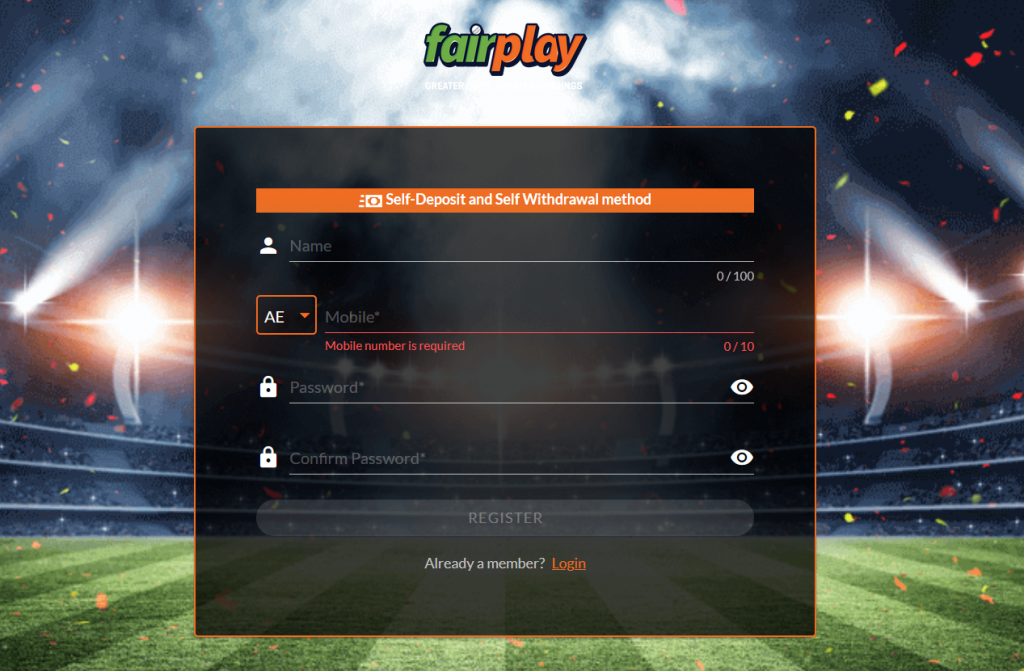
Prospective players begin by accessing the sign‑up portal. Here, they provide basic details such as name, email address, and a secure password. The platform prompts users to create a strong password—mixing uppercase letters, numbers, and symbols—to guard against brute‑force attacks.
2. Email Confirmation
Immediately after submitting registration data, an automated email containing a unique verification link is dispatched. Clicking the link confirms that the supplied email address is active and owned by the registrant. This step also helps filter out disposable or malicious email accounts.
3. Mobile Number Verification
Responsive to the rising prevalence of mobile‑based authentication, FairPlay requires users to bind a valid phone number. A one‑time password (OTP) is sent via SMS, which the user must enter within a limited timeframe. This secondary factor bolsters account security and enables future password recovery processes.
4. Government ID Upload
To meet regulatory standards and further prevent fraud, FairPlay requests a clear image of an official identification document (e.g., passport, driver’s license, or national ID). The platform employs advanced optical character recognition (OCR) to extract and validate the data against the user’s provided details.
5. Facial Biometric Match
Leveraging state‑of‑the‑art facial recognition technology, the system asks users to capture a selfie in real time. The captured image is compared to the uploaded ID photo, ensuring the individual registering the account matches the legal document. All biometric data is encrypted, stored locally, and never shared with third parties.
6. Payment Method Verification (Optional)
For players intending to deposit or withdraw funds, an additional verification step validates the ownership of credit cards, e‑wallets, or bank accounts. This often involves a small verification transaction with a unique code that the user must confirm.
Ensuring a Smooth Verification Experience
While security is paramount, user experience cannot be neglected. FairPlay implements several measures to keep the verification journey frictionless:
- Real‑Time Feedback: Users receive instant indications of missing or improperly formatted documents, preventing unnecessary resubmissions.
- Multi‑Language Support: The verification interface is available in several major languages, catering to a global audience.
- Progress Save Feature: If a user must pause the process, the system saves their progress, allowing them to resume later without restarting.
Security Architecture Behind Verification
FairPlay’s verification engine is built upon a layered security model:
Encryption at Rest and In Transit
All data—personal details, ID scans, and biometric images—are encrypted using AES‑256 during storage and TLS 1.3 while being transmitted. This dual encryption approach mitigates risks of interception or unauthorized data access.
Zero‑Trust Network Segmentation
The verification subsystem operates within an isolated network segment. Even if another component of the platform is compromised, attackers cannot directly reach verification servers or the sensitive data they host.
Artificial Intelligence for Anomaly Detection
Machine‑learning models continuously analyze registration patterns. Suspicious spikes—such as multiple accounts being opened from a single IP address within minutes—trigger automated alerts and temporary account holds pending manual review.
Benefits for Players and Operators
Both stakeholders reap tangible advantages from a solid verification framework:
For Players
- Enhanced confidence that their accounts are protected against hijacking.
- Quicker dispute resolution, as verified identity streamlines KYC (Know Your Customer) processes.
- Eligibility for exclusive promotions, tournaments, and loyalty programs that often require verified status.
For Operators
- Reduced chargebacks and fraud-related financial losses.
- Compliance with regional gaming regulations, avoiding costly fines.
- Improved brand reputation, driving higher user acquisition and retention rates.
Accessing Your Account: Login and Ongoing Verification
Once verification is complete, users can securely access their gaming hub. A dedicated portal facilitates routine logins, password resets, and secondary authentication updates. The platform also periodically prompts users to reconfirm certain data—especially when regulatory guidelines evolve or when unusual activity is detected.
For returning players, the streamlined entry point is the fairplay online login page, where the familiar credentials and optional two‑factor authentication (2FA) ensure that only the rightful owner can gain entry.
Getting Started: Seamless Sign‑Up Process
New gamers eager to join the FairPlay community can launch their journey via the straightforward registration gateway. The intuitive interface walks users through each verification stage, offering helpful tooltips and live chat assistance when needed.
To begin, visit the fairplay online signup page, fill in the required fields, and follow the on‑screen instructions. Within a short span—often under ten minutes for most users—the verification process concludes, and the account becomes fully operational.
Best Practices for Maintaining a Verified Account
- Keep Contact Information Current: Update email addresses and phone numbers promptly to avoid login disruptions.
- Enable Two‑Factor Authentication: Adding an extra layer of security significantly lowers the likelihood of unauthorized access.
- Regularly Review Account Activity: Periodic checks for unfamiliar sessions or device logins help identify potential breaches early.
- Protect Your Devices: Install reputable antivirus software and keep operating systems up to date.
- Report Suspicious Behavior: Use the platform’s support channels to flag any anomalies, ensuring swift remediation.
Frequently Asked Questions (FAQs)
Is the verification process mandatory?
While basic gameplay may be accessible without verification, certain features—such as monetary transactions, high‑stakes tournaments, and exclusive events—require a fully verified account.
How long does verification take?
Most users complete the process within 5–10 minutes. Complex cases, such as those involving manual document review, may extend to 24–48 hours.
What happens if my verification is rejected?
FairPlay provides clear feedback on the reason for rejection (e.g., blurred ID image or mismatched facial data). Users can correct the issue and resubmit for re‑evaluation.
Is my personal data safe?
Yes. All personal and biometric data are encrypted and stored in compliance with GDPR, CCPA, and other global privacy standards. The platform does not share this data with third parties for marketing purposes.
Conclusion
In an era where online gaming platforms compete not only on graphics and gameplay but also on trust, account verification stands out as a decisive factor for long‑term success. By adopting a comprehensive, user‑centric verification workflow, FairPlay demonstrates its commitment to safeguarding players while preserving the excitement and accessibility that draw millions to the virtual arena each day. Whether you are a newcomer eager to explore immersive worlds or a seasoned competitor seeking reliable tournament participation, completing the verification steps unlocks the full spectrum of benefits that a secure, fair gaming environment offers.